

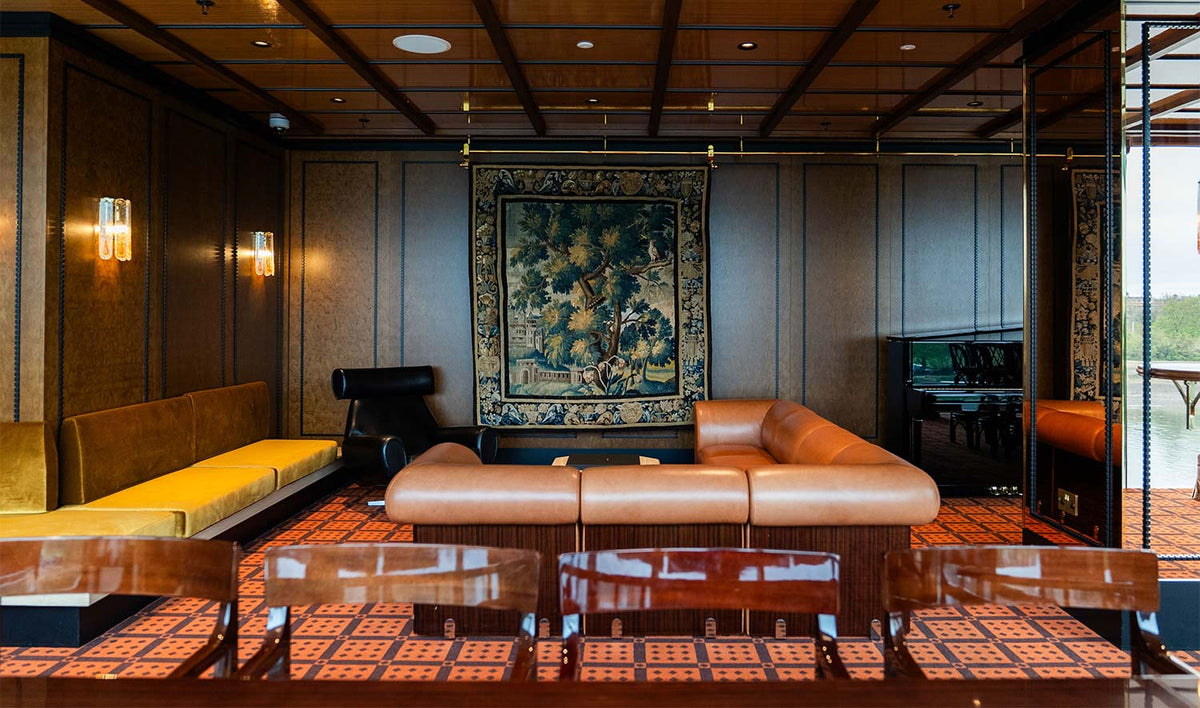
Fulham Pier Members' Club
What does the home of your coolest friend look like? That was the vision lead designer Stuart Forbes Associates had for the Members' Club at Fulham Pier.
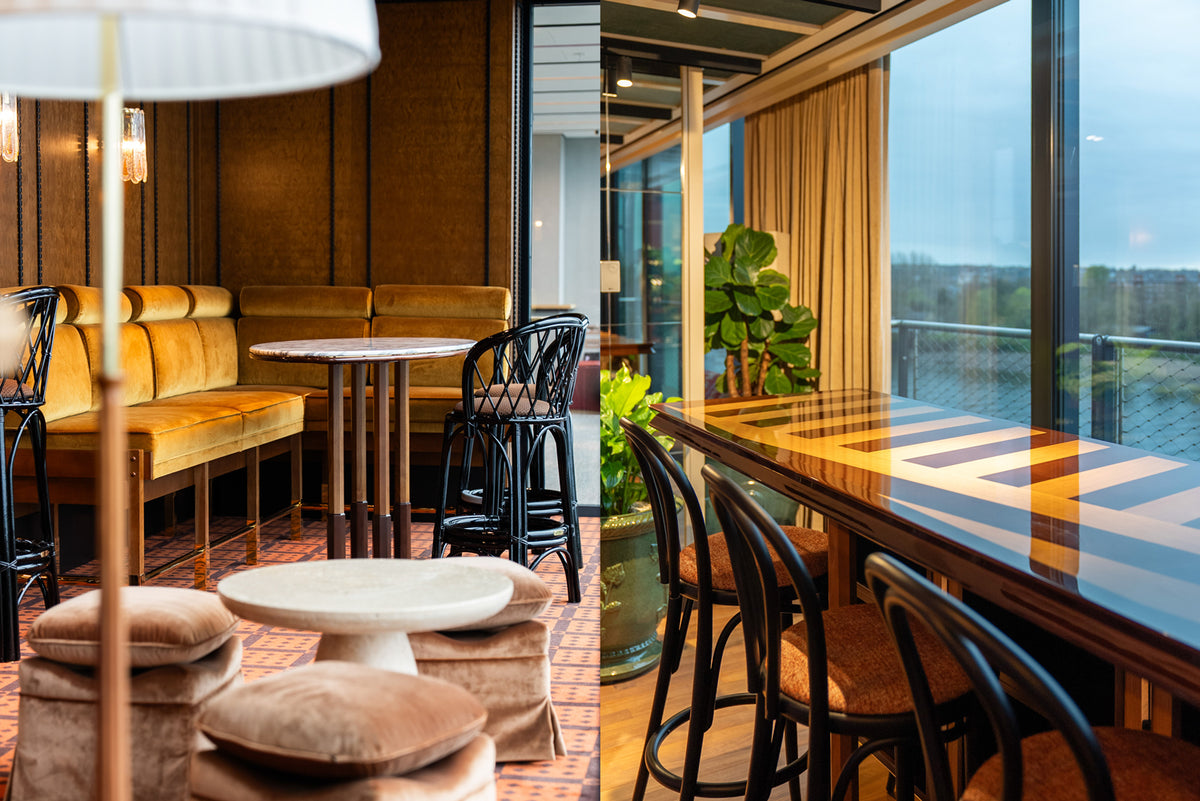
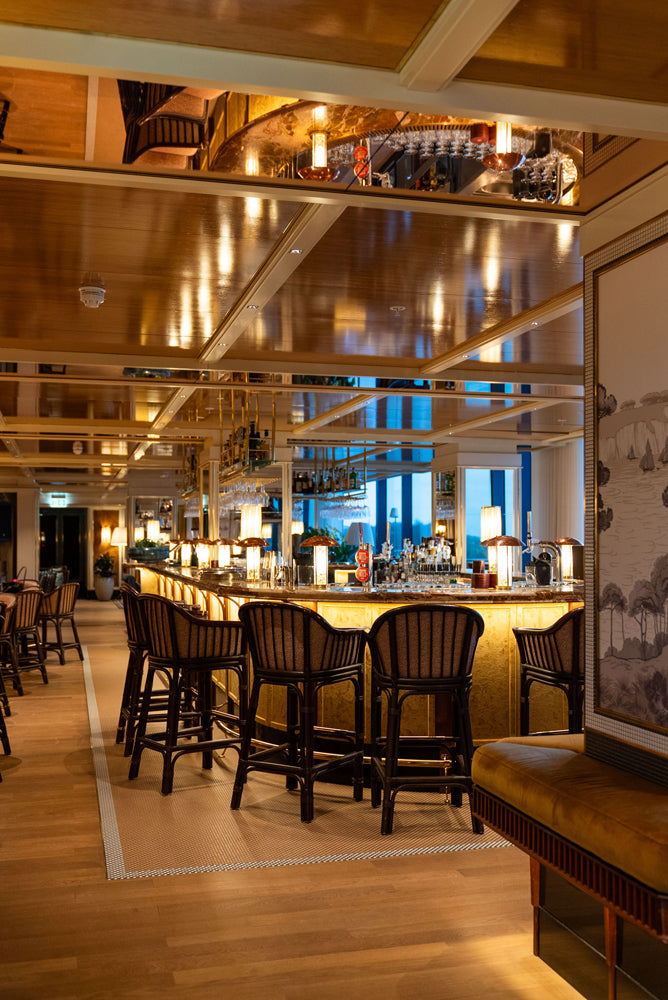
Each space within the club, dictated by the building's structural grid and the way the space was divided, was designed to feel very different with unique finishes, fittings and furniture that complemented one another. The spaces were tied together through transition portals, using similar dividing grids in ceilings and common lighting elements.
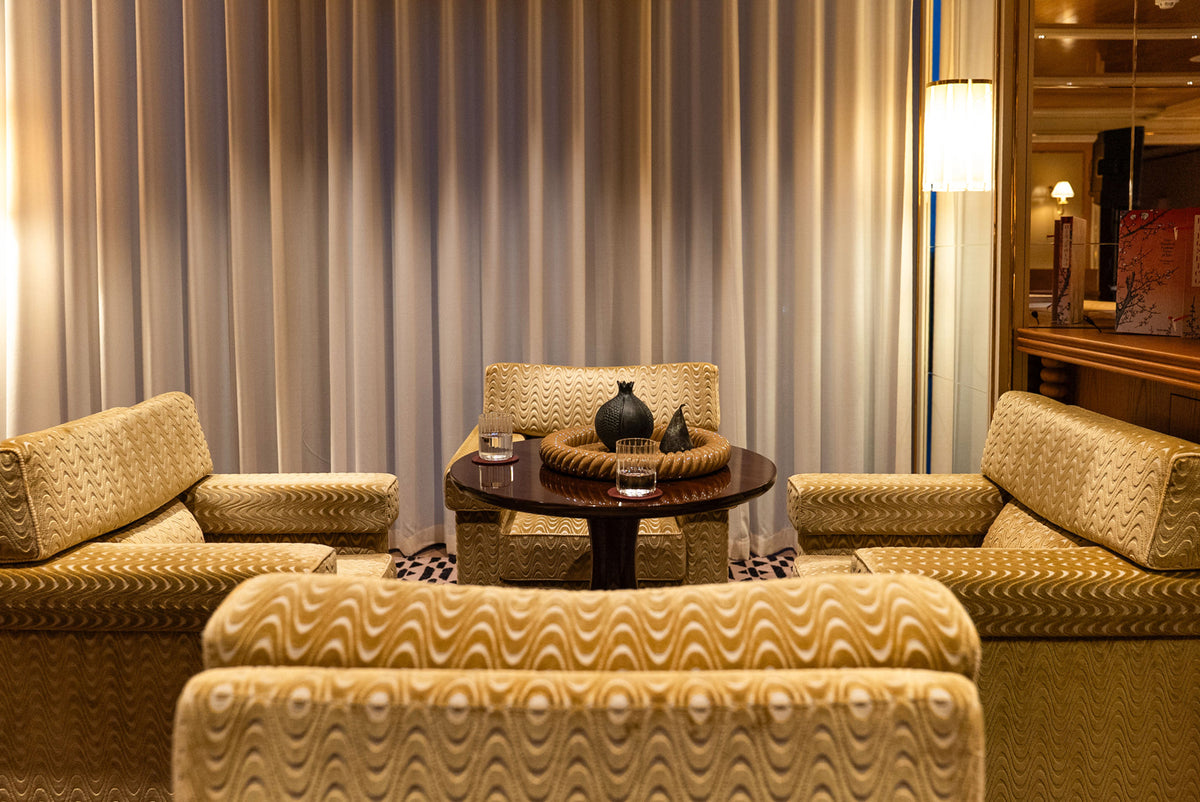
The developed scheme combined influences from classic private members clubs with eclectic furniture forms, vintage-inspired pieces, and bold fabrics, creating a space that felt immersive, expressive and unexpected. Comfort was equally important, to ensure the spaces feel as good as they look, every detail was carefully considered, from upholstery selections to foam densities. The team also looked for opportunities to enhance details and finishes, and to make certain elements more practical or functional.
Realising that vision required bespoke furniture that could hold its own in such a carefully considered environment. That is where Decca came in.
Decca manufactured a full range of bespoke pieces, each one developed to meet the exacting standards of a high-end hospitality environment without losing the character of the original design intent. Several pieces stand out for the way they balanced aesthetics with functionality.
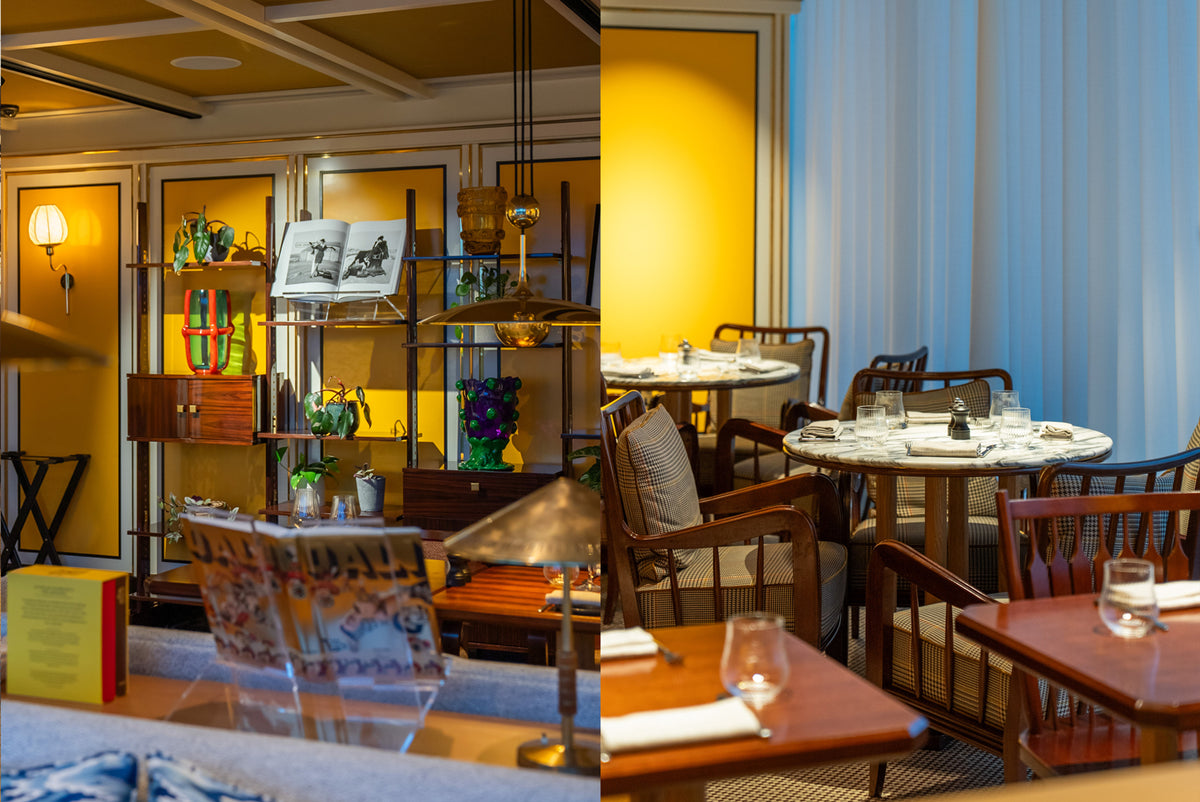
The cabinetry within the level 3 corridors is visually elegant and lightweight in appearance. The design itself is relatively simple, but it plays a significant role in creating a comfortable and homely atmosphere throughout the space, particularly in combination with the planting, artwork and objets d'art developed alongside Mattia Pozzoni Art Consultancy.
Beneath that understated elegance, the framing and construction were engineered to withstand the demands of a high-traffic hospitality environment.
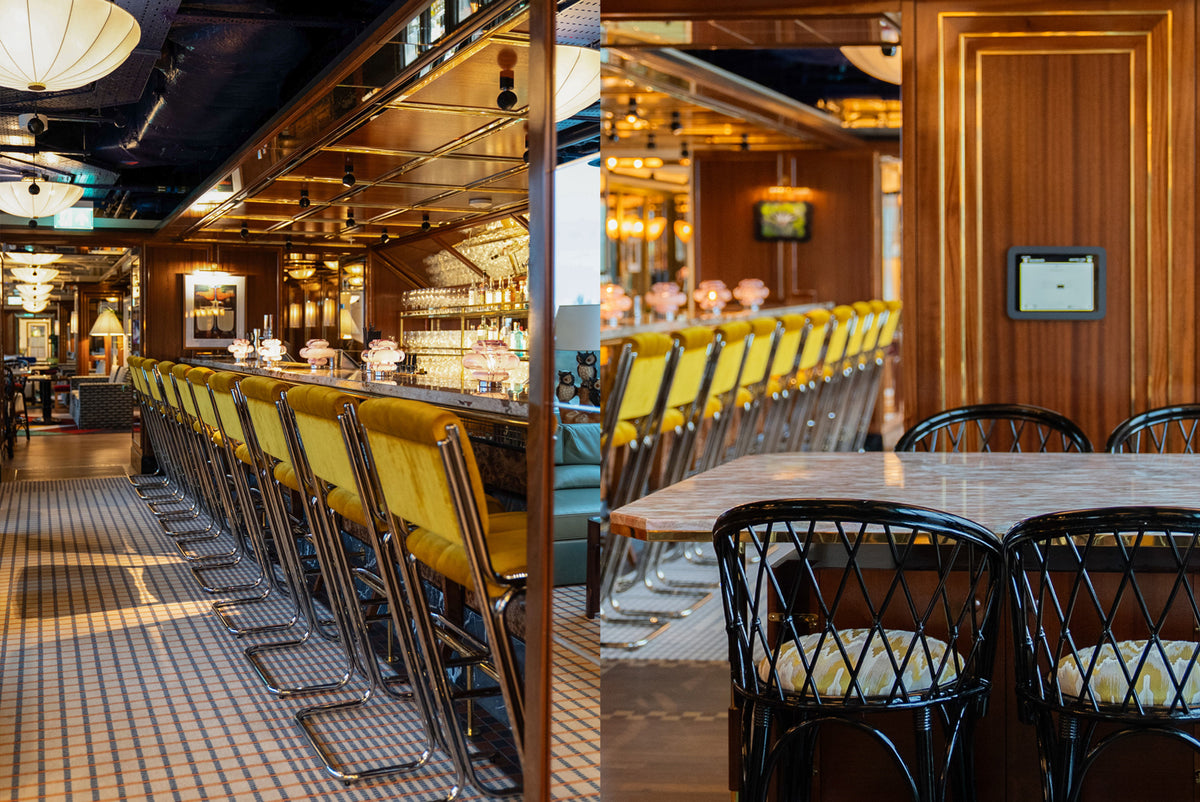
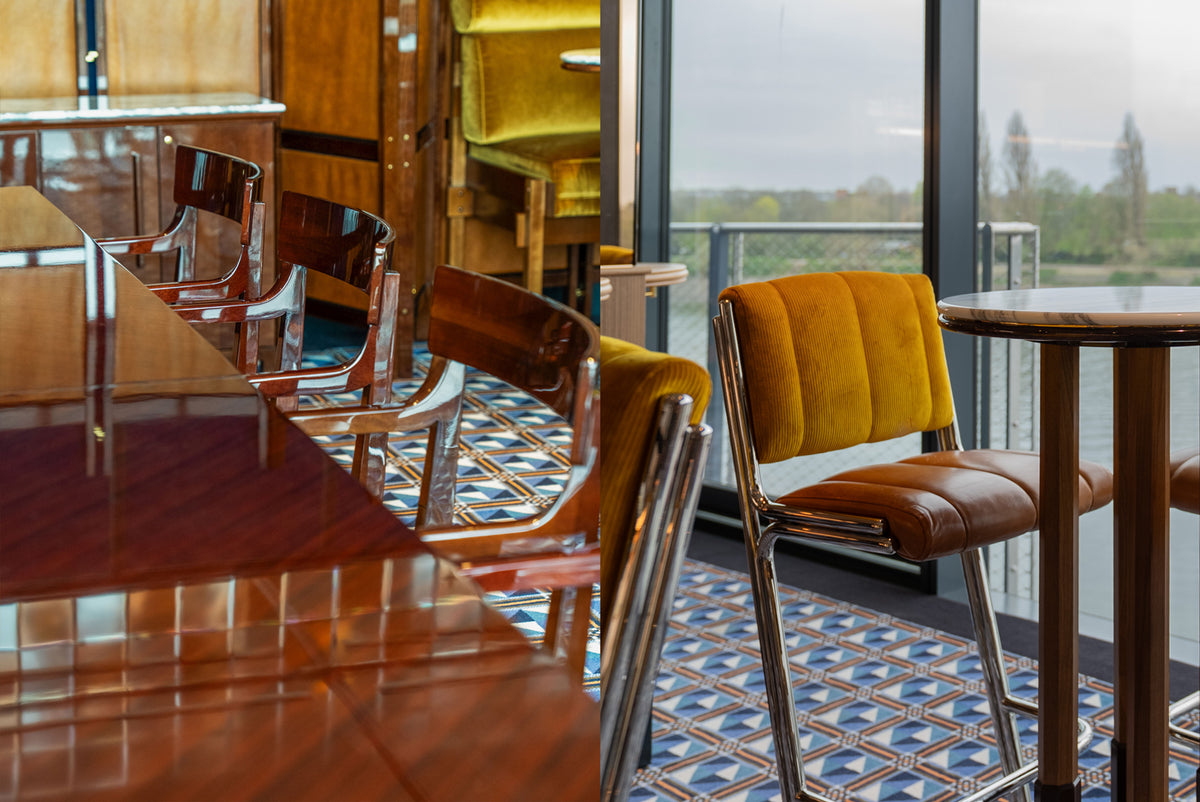
The yellow bar stools at the level 4 bar were inspired by a vintage reference piece and went through quite a bit of development to arrive at their final form. Proportions, angles and scale were refined carefully so the stools felt visually striking without overpowering the bar area, while also remaining comfortable and stable for guests.
Translating the original design intent into finished furniture required a careful and considered development process. The priority throughout was preserving the residential, unexpected quality of each piece while delivering the comfort, durability and quality needed for a demanding hospitality environment. What emerged was a genuinely collaborative process, one where Decca's technical input gave Stuart Forbes Associates the confidence to push ideas further, knowing that what was proposed creatively could also be resolved and manufactured successfully.

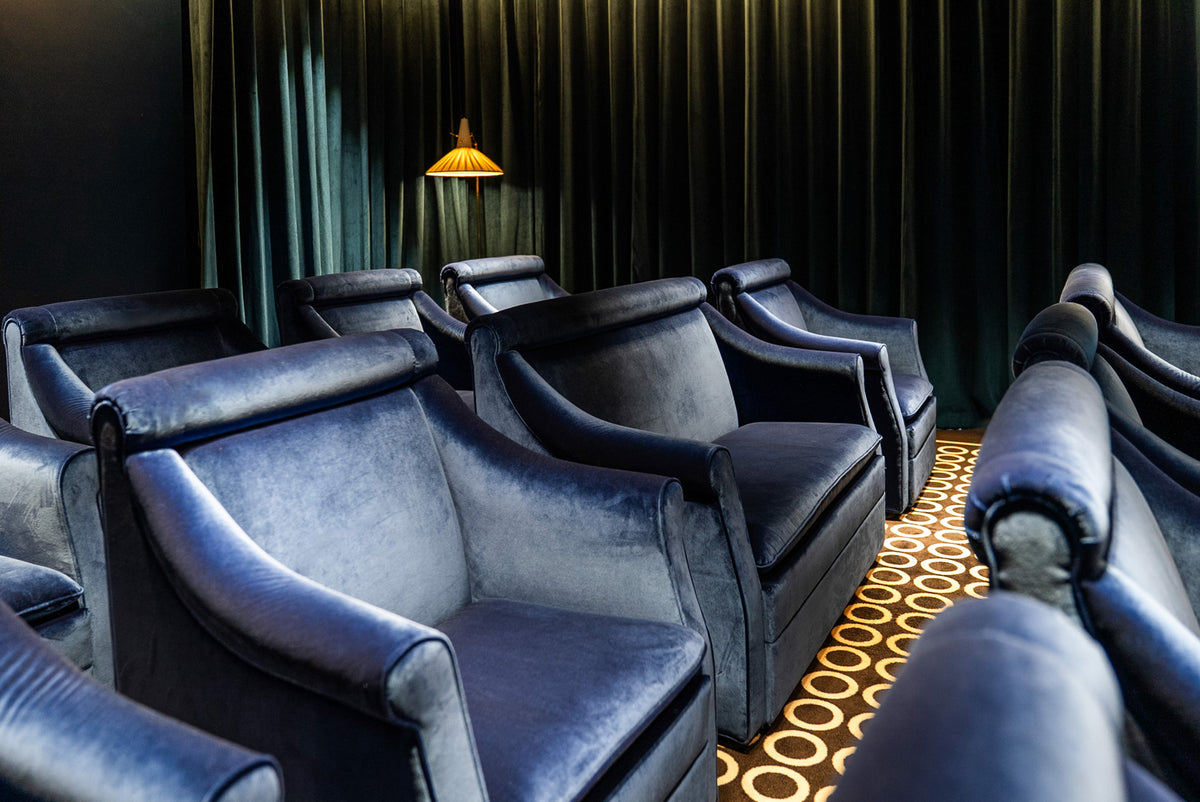
That collaboration produced some of the most interesting decisions of the project. Comfort and upholstery construction were developed with particular care, with different foam types and densities selected according to how each piece would be used. Lounge and relaxed seating areas called for softer combinations to achieve a comfortable, residential feel, while dining areas used slightly firmer constructions for better support and practicality. Certain chair constructions were also adapted from solid to webbed bases, making a noticeable difference to seating performance. On the material side, some table bases originally intended to carry a ceramic finish were produced using resin techniques instead, achieving a near-identical visual result while being considerably more practical to manufacture.
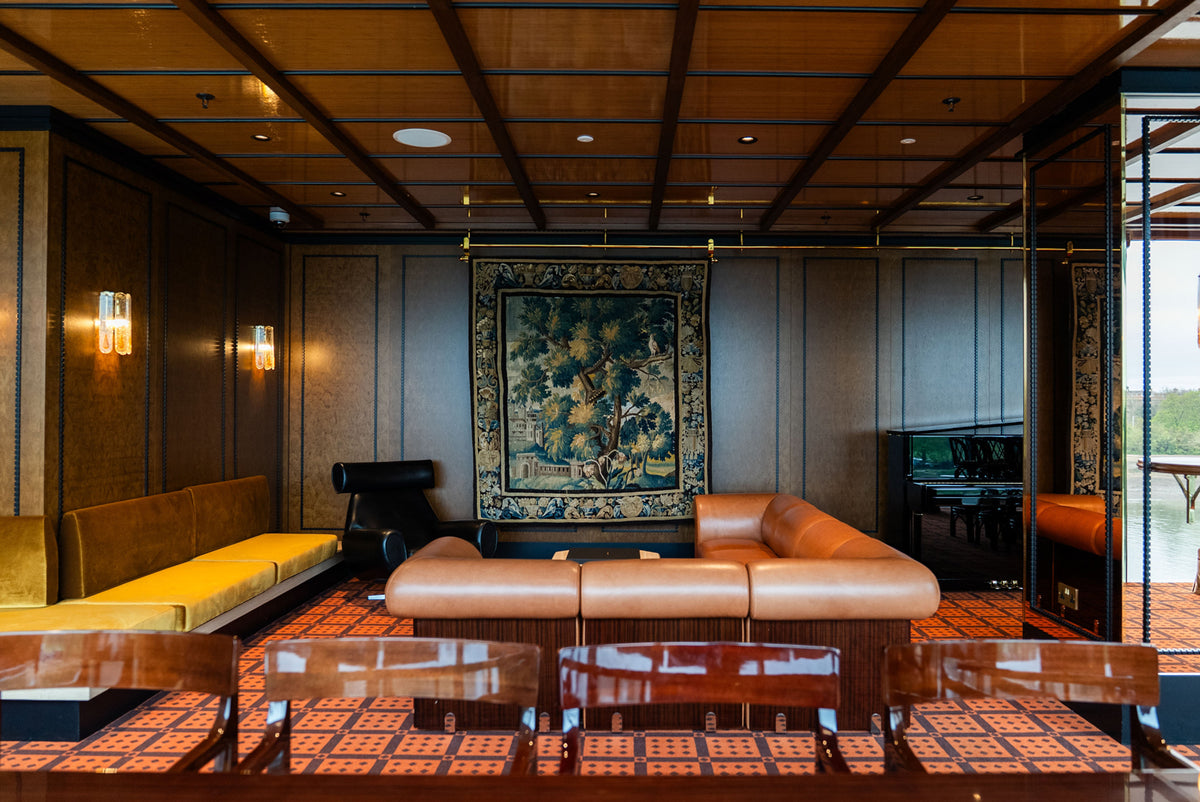
One of the more ambitious developments came within the Chairman's Suite, where a manually adjustable table evolved into a motorised design with an integrated switch mechanism, improving both functionality and user experience while retaining the elegance of the original design.
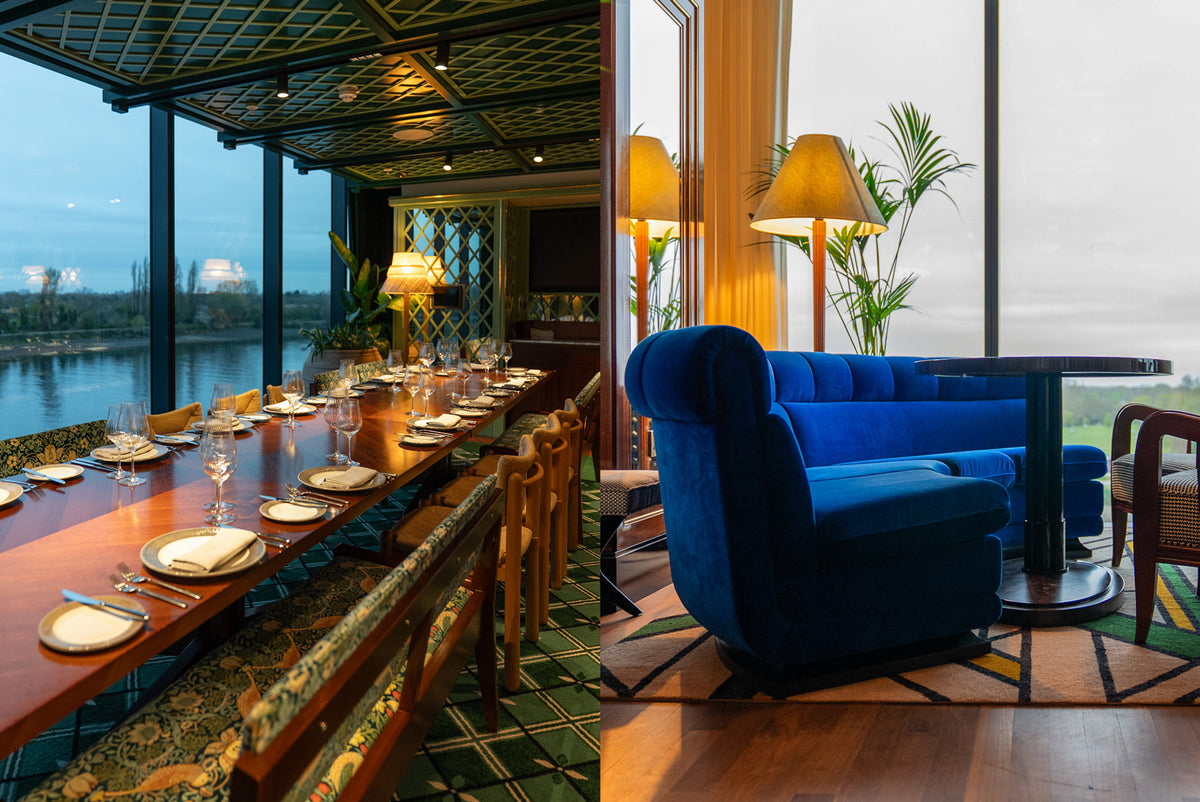
The complexity did not end at the manufacturing stage. Several of the larger pieces, including tables exceeding four metres in length and substantial sofa units, presented significant installation challenges within the building's existing layout. Rather than scaling back the designs, Decca worked with Stuart Forbes Associates to develop modular solutions with concealed fixings and hidden connections, allowing the pieces to be assembled on site while appearing entirely seamless in the finished space. The coordination required to ensure every module could reach its destination and be installed without affecting the final aesthetic was considerable, and it is in details like these that the value of a close, communicative manufacturing partnership becomes most apparent.
Craft, confidence and collaboration
How did the finished pieces compare to your original vision?
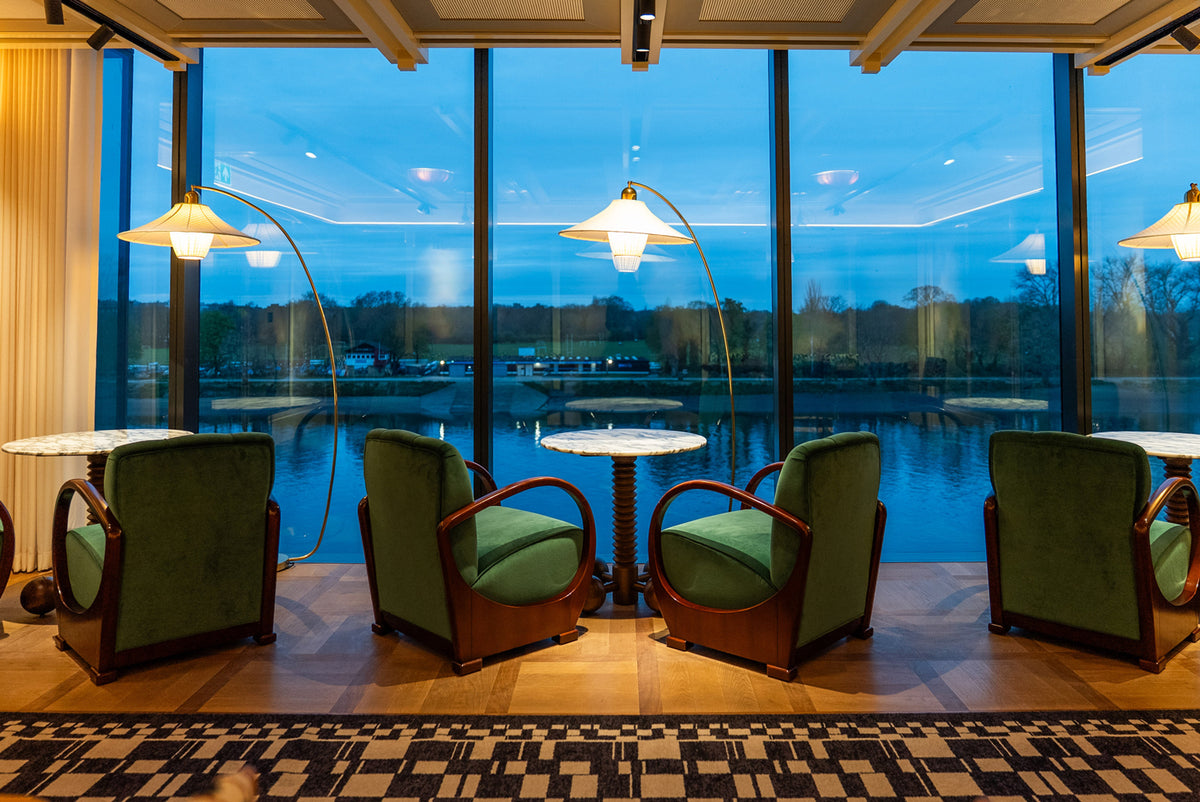
Stuart Forbes Associates (SFA): We are really pleased with how everything turned out. The furniture stayed very true to the original design intent while meeting all of the functional and technical requirements of the space. A lot of the pieces involved detailed development and coordination throughout the process, so it was rewarding to see everything come together to such a high standard. The craftsmanship, comfort and attention to detail really helped bring the overall atmosphere of the members' club to life, and the final result feels cohesive, authentic, and exactly as we had hoped.
What made you confident bringing this project to Decca?
SFA: The quality and craftsmanship across Decca's previous work stood out immediately, particularly within high-end hospitality and bespoke furniture projects. We also came with a strong recommendation from Parker Company, which gave us confidence from the start. Once we met the team, visited the showroom and looked through previous projects in more detail, it became clear there was a genuine understanding of both the creative and technical sides of a project like this, and a real appreciation for the level of detail and coordination involved. Decca also supported a rigorous sampling, prototype and mock-up approval process, which gave us further confidence that the expected quality would be achieved.
What does a smooth manufacturing partnership look like to you, and how did Decca deliver on that?
SFA: For us, a smooth manufacturing partnership really comes down to good communication, transparency, and being proactive when challenges come up. Throughout the project, we were in constant contact with Decca at every stage, from technical detailing and samples through to manufacturing and installation coordination, and they were consistently great to work with.
Everything was always very clear in terms of deadlines and progress, which made managing such a large bespoke package much easier. We were regularly sent progress photos during production, so we always knew exactly what stage pieces were at, and we also visited the factory midway through the process to review everything in person. That was really valuable in making sure the quality, detailing, and overall design intent were being maintained throughout production.
What really stood out was how responsive and solution-focused the team were. There was never unnecessary waiting around for drawings, samples, or answers - everyone was always on the ball and ready to help resolve issues quickly. Eric in particular was a huge support throughout the process, and the collaboration between SFA and Decca was a big part of what made the project such a success.
Was there anything about the craftsmanship or finishing that particularly impressed you?
SFA: What really impressed us was the level of attention to detail across the entire package. There were a lot of quite complex pieces, different materials, specialist finishes, and challenging proportions involved, but the quality and consistency were maintained throughout. We were especially impressed with the upholstery craftsmanship and stitching quality, as well as how cleanly all of the different materials and finishes were executed. A lot of the pieces also had hidden technical requirements built into them, so it was great to see how seamlessly those details were integrated without taking away from the overall aesthetic. The overall craftsmanship really helped bring the project to life and elevated the final result. You could tell there was real care and pride put into every piece.
Watch the Fulham Pier project film
Find Stuart Forbes Associates